Does a Tax Extension Give You More Time to Pay?
Quick answer
No. A tax extension gives you more time to file your return, not to pay. Tax you owe for 2026 is due April 15, 2027. Anything unpaid after that collects interest and usually a late-payment penalty, even if you've filed Form 4868.
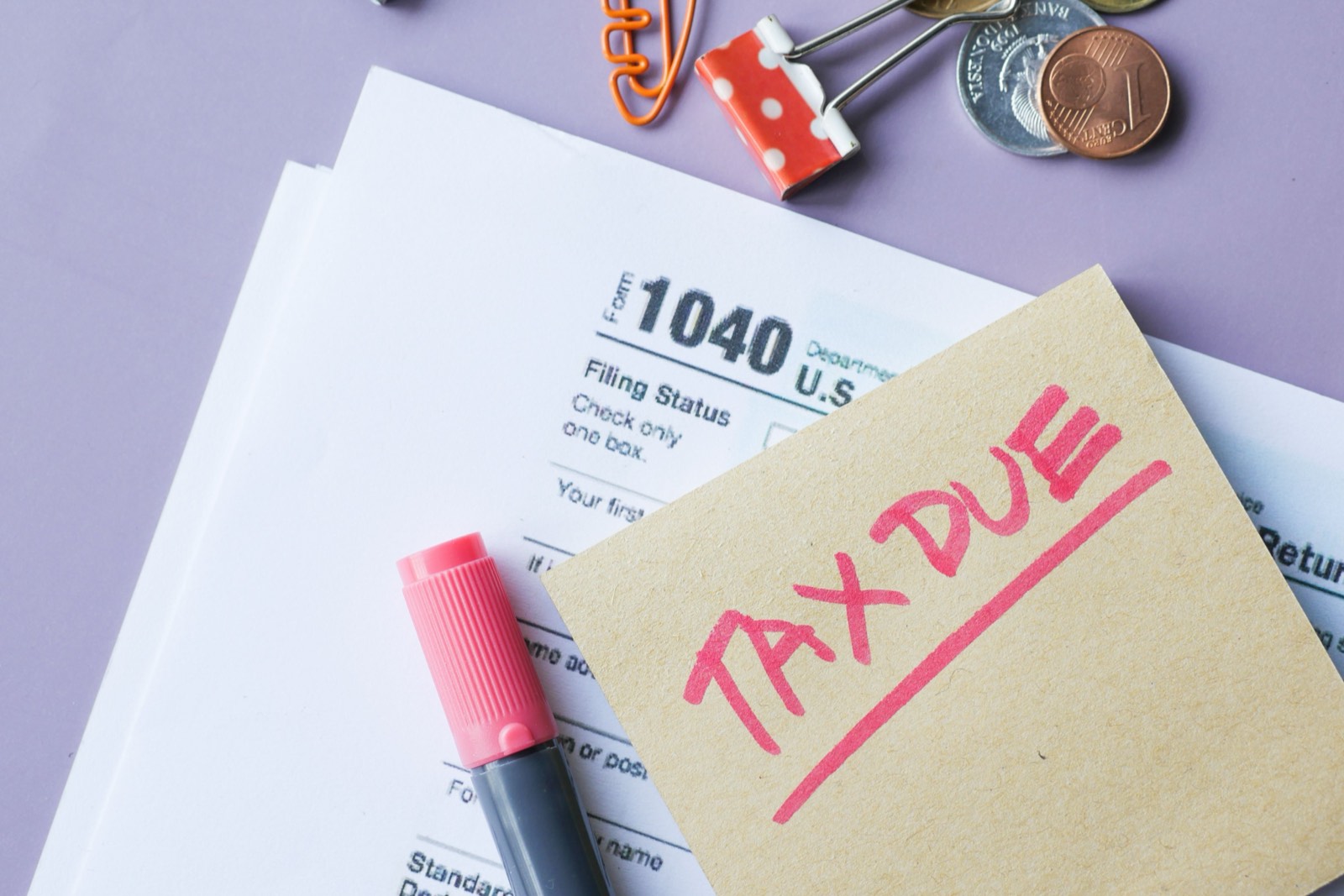
What you owe, and when
The IRS puts it plainly on the extension page: the extension is only for filing your return, and you should pay any tax you owe by the April filing date. Form 4868 says the same: it doesn't extend the time to pay taxes.
- Due April 15, 2027: your 2026 tax, minus what you've already paid through withholding and estimated payments.
- Due October 15, 2027: only the return itself, if you extended.
U.S. citizens and residents out of the country get 2 extra months, to June 15, 2027, to file and pay without requesting an extension, but interest still runs from April 15, 2027.
What it costs to pay late
- Interest starts on the due date and runs until you pay in full. The rate can change every quarter. The IRS removes interest only in narrow cases, such as an unreasonable IRS error or delay, not for reasonable cause.
- The late-payment penalty is usually 0.5% of the unpaid tax for each month or part of a month it's unpaid, up to 25%. It goes up to 1% a month if you don't pay within 10 days of an IRS notice of intent to levy, and down to 0.25% a month during an approved payment plan if you filed on time.
Late filing costs more: usually 5% of the unpaid tax a month. That's why you file the extension even when you can't pay. How the penalties work.
The 90% rule
Form 4868 gives one break on the late-payment penalty. You're considered to have reasonable cause for the extension period if both of these are true:
- At least 90% of the total tax on your return is paid by the regular due date, through withholding, estimated tax payments or payments made with Form 4868.
- You pay the rest with your return.
Interest still applies to the part paid late.
How to pay
- Online: IRS Direct Pay, your IRS online account, EFTPS, or a card or digital wallet. Mark it as an extension and the payment is your extension. How.
- By check or money order: mailed with Form 4868 to the payment address for your state. Where to mail it.
If you can't pay it all
- File the extension anyway, on time. The form says you can still get the extension if you can't pay.
- Pay what you can by April 15, 2027 to shrink the interest and penalty.
- Look at an IRS payment plan once you know the amount. On IRS.gov as of October 2026: a short-term plan (180 days or less) for balances under $100,000, with no setup fee online; a long-term plan for $50,000 or less once all required returns are filed, with setup fees that are lower for direct debit and waived for direct debit for low-income taxpayers. Penalties and interest continue until the balance is paid.
Questions people ask
If I get a refund, do I need to pay anything?
No. If your withholding and payments are more than your tax, line 6 of Form 4868 is -0- and there's nothing to pay.
Can I ask for more time to pay on Form 4868?
No. Form 4868 is for time to file. For more time to pay, look at an IRS payment plan.
Does paying late void my extension?
No. The extension depends on a reasonable estimate and filing on time, not on paying. But unpaid tax costs you interest and penalties.
Common mistakes
- Waiting until October to pay. Interest and penalties have been running since April 15, 2027.
- Skipping the extension because you can't pay. Not filing on time adds the bigger penalty.
- Thinking the June date covers interest. For people abroad, interest still runs from April 15, 2027.
Fill out Form 4868 free. No account, and your Social Security number never leaves this page.